Careers and Kererū
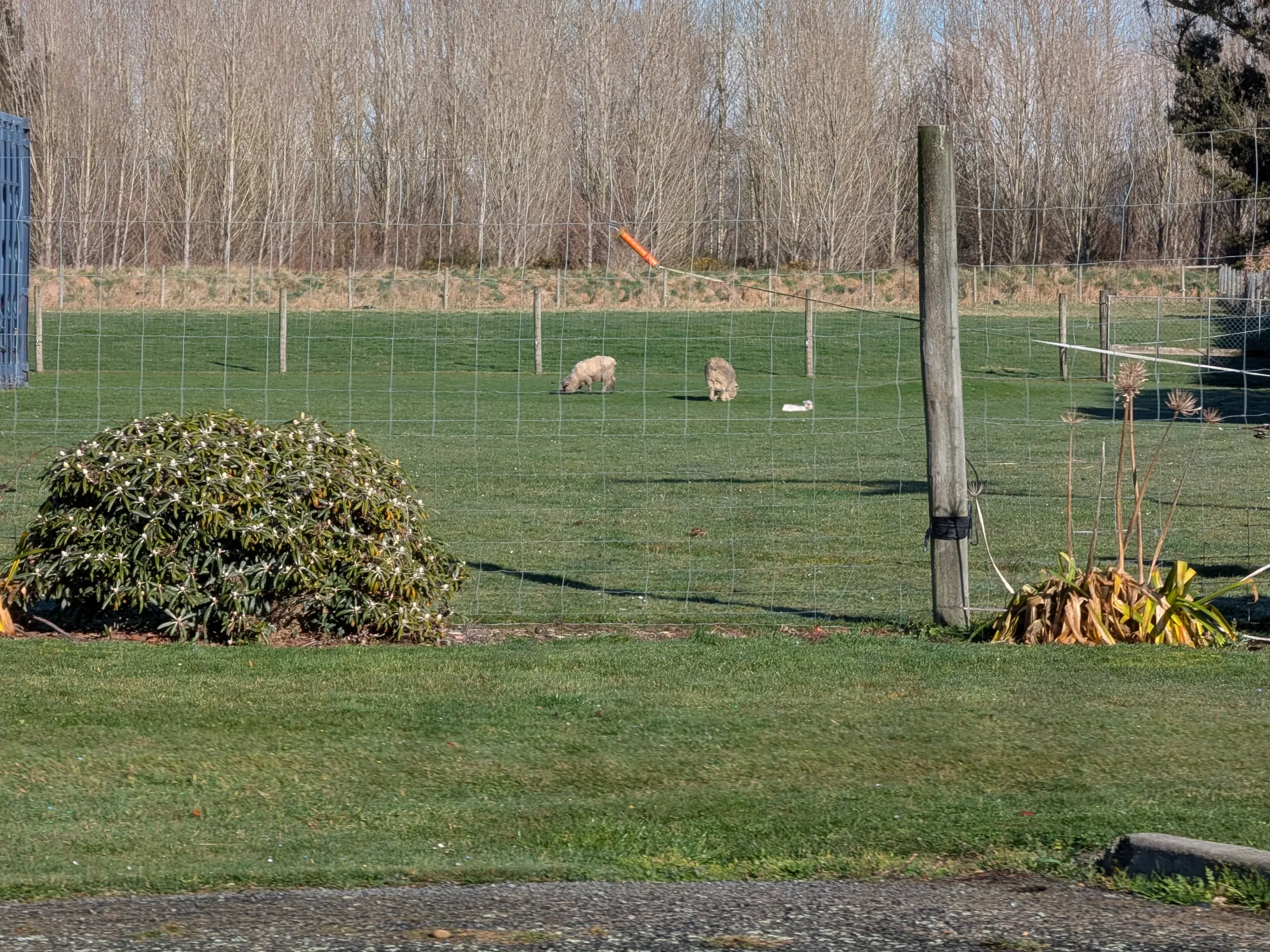
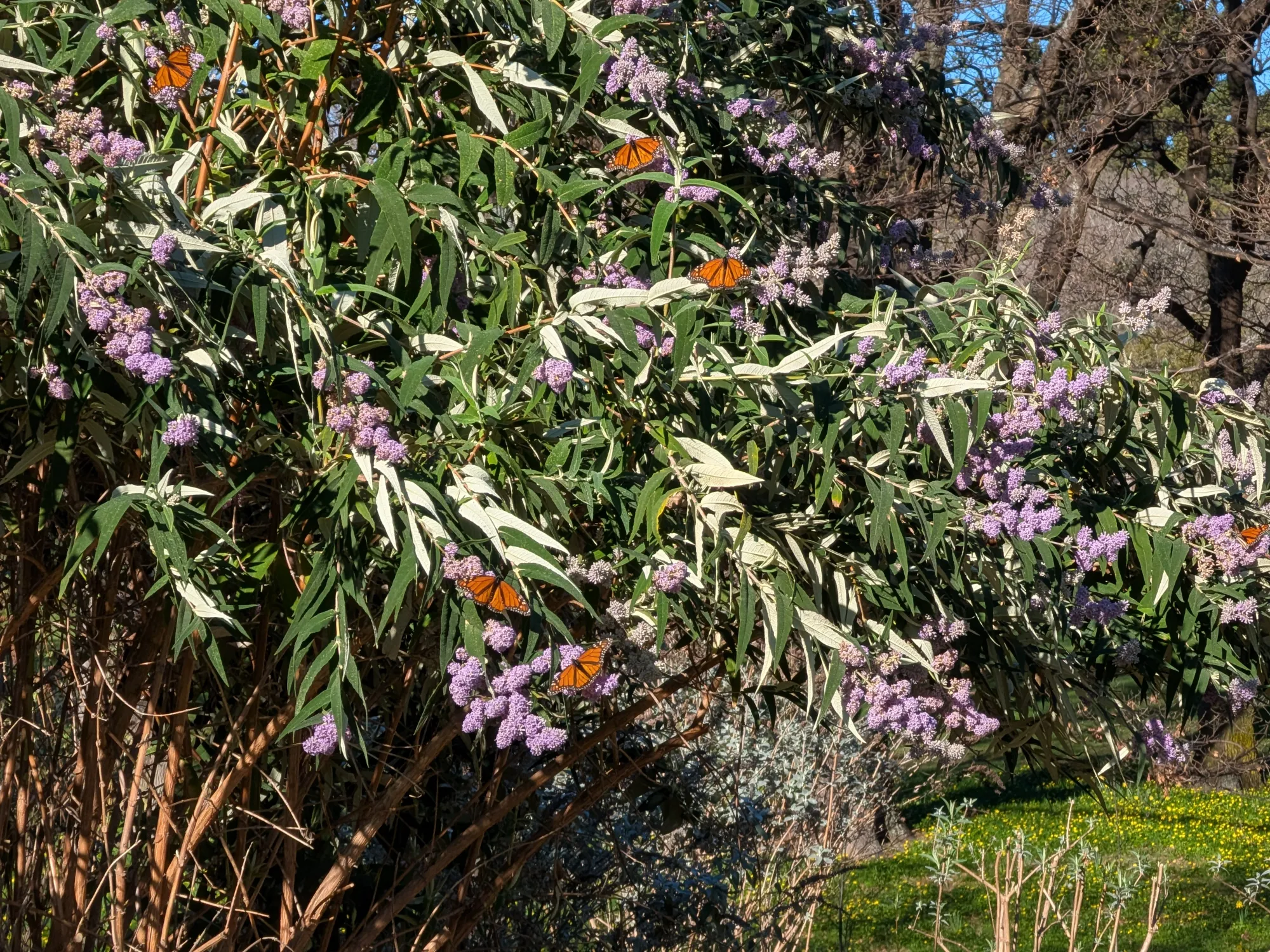
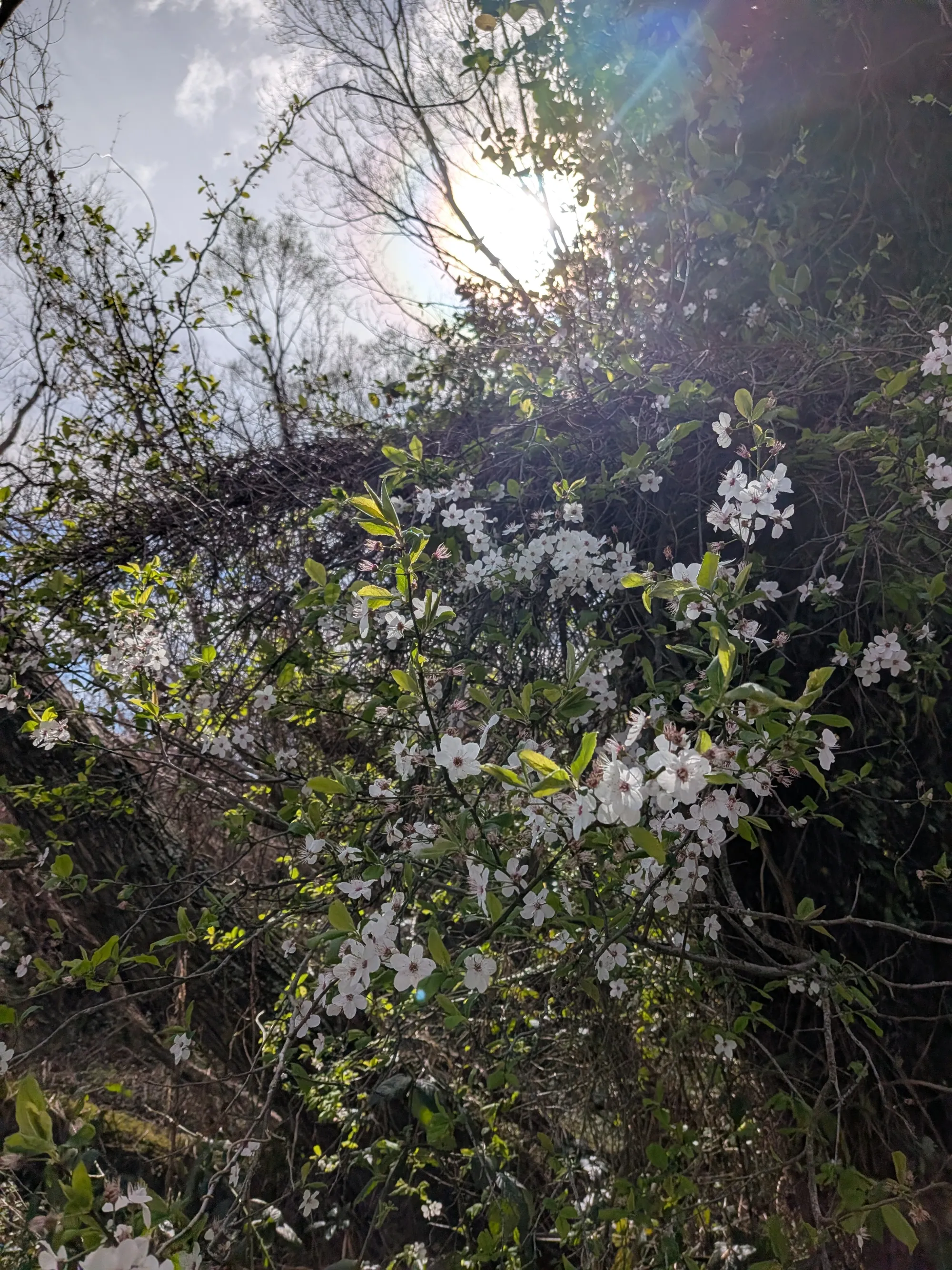
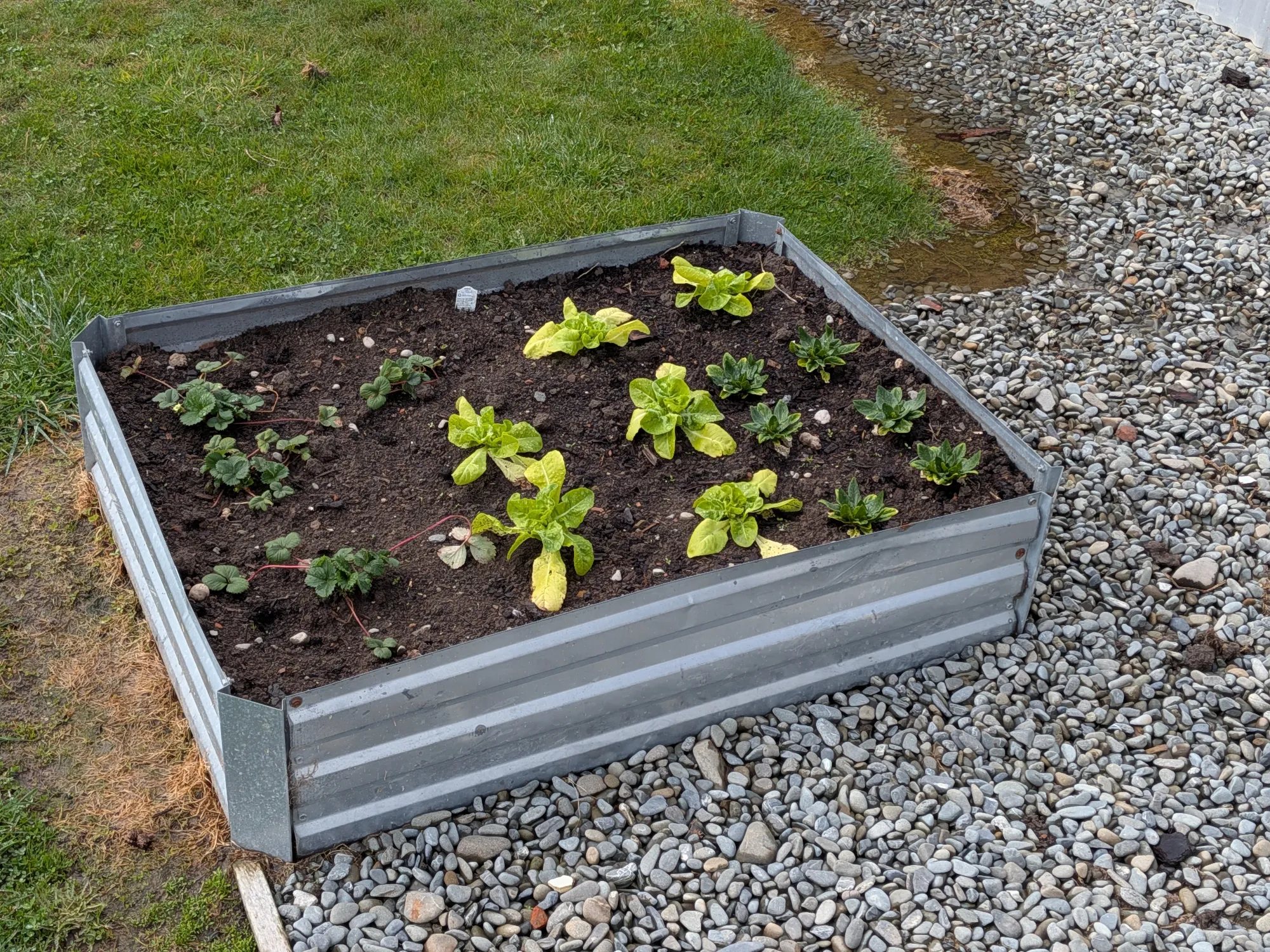
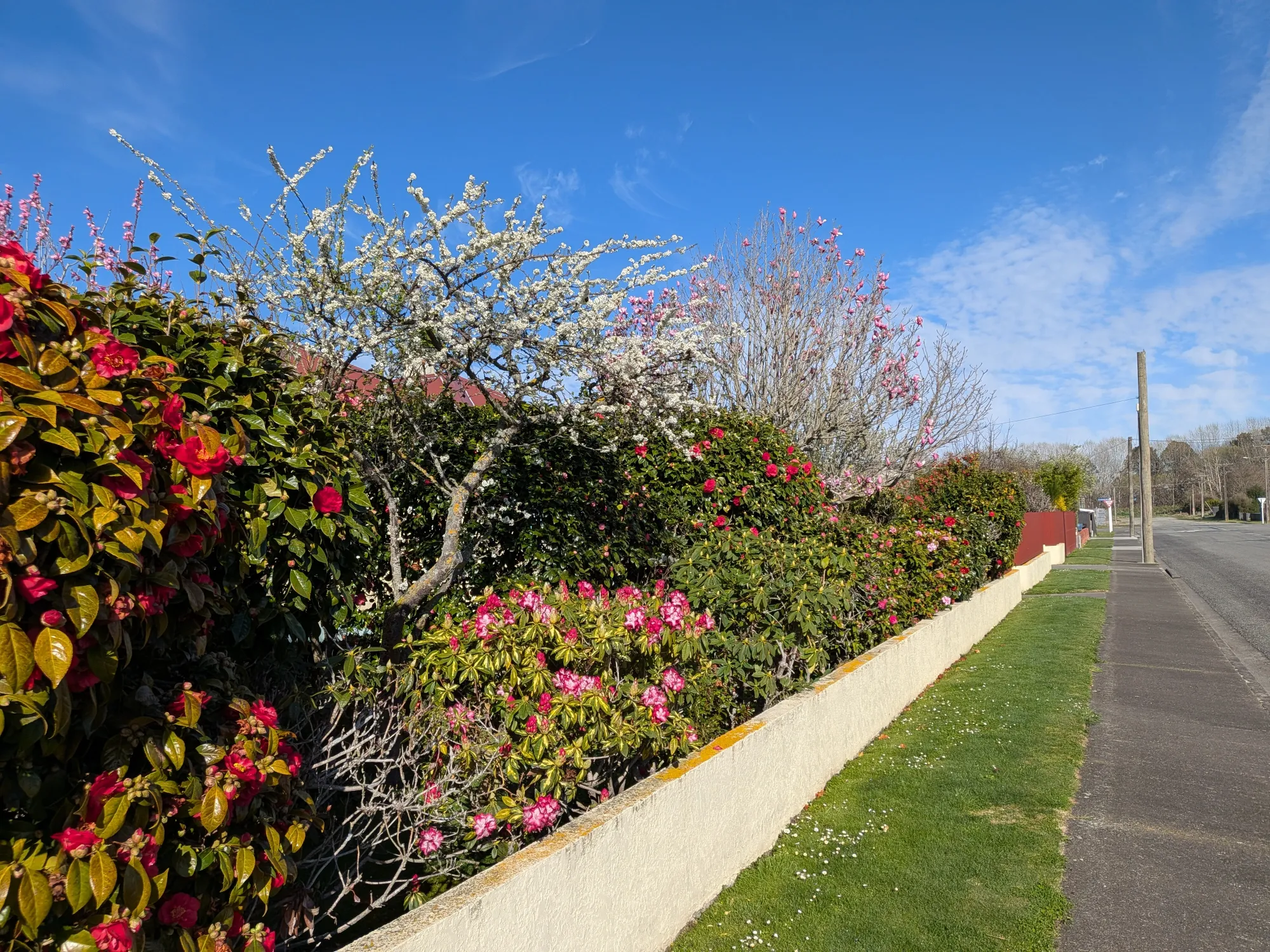
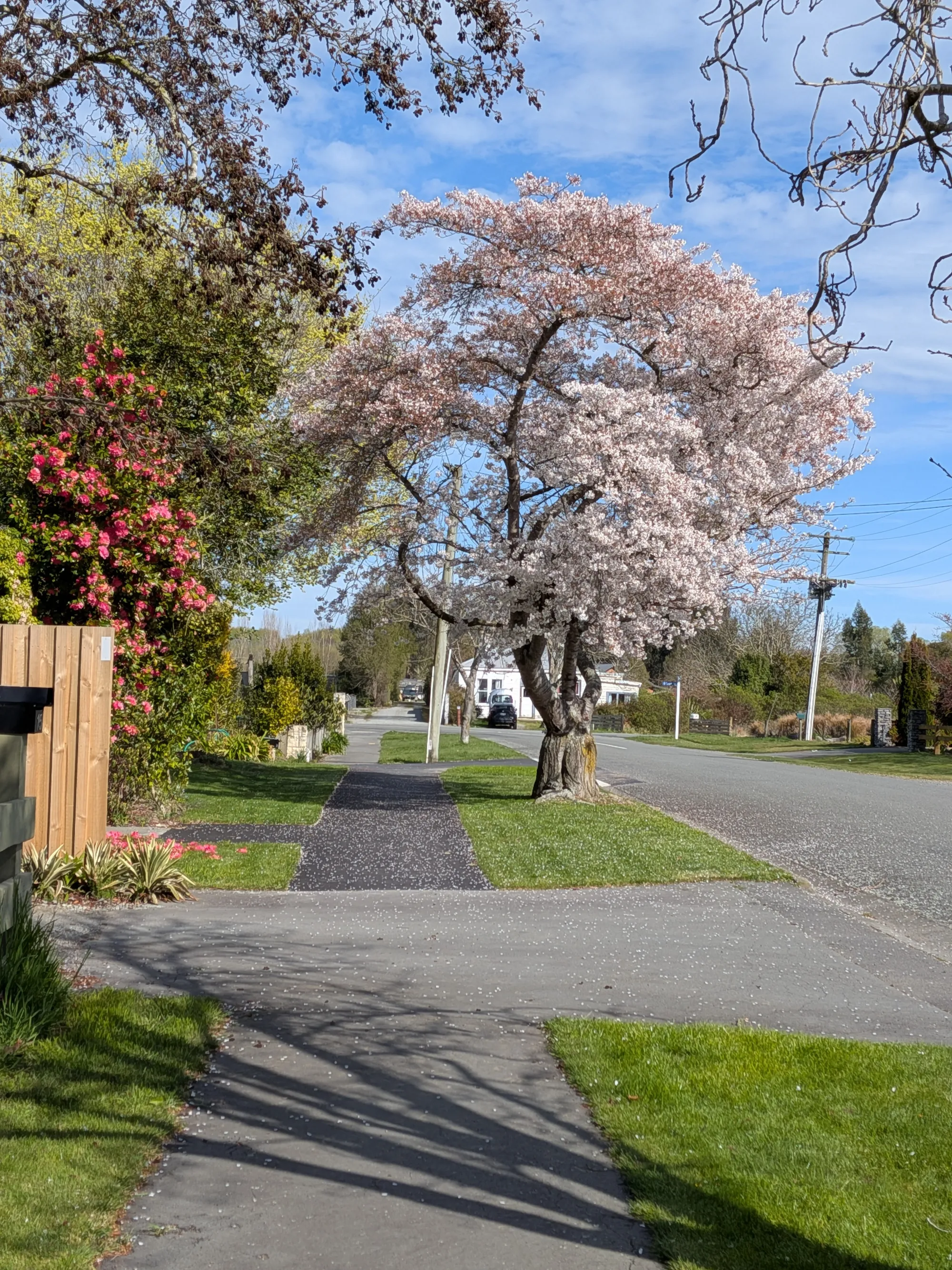
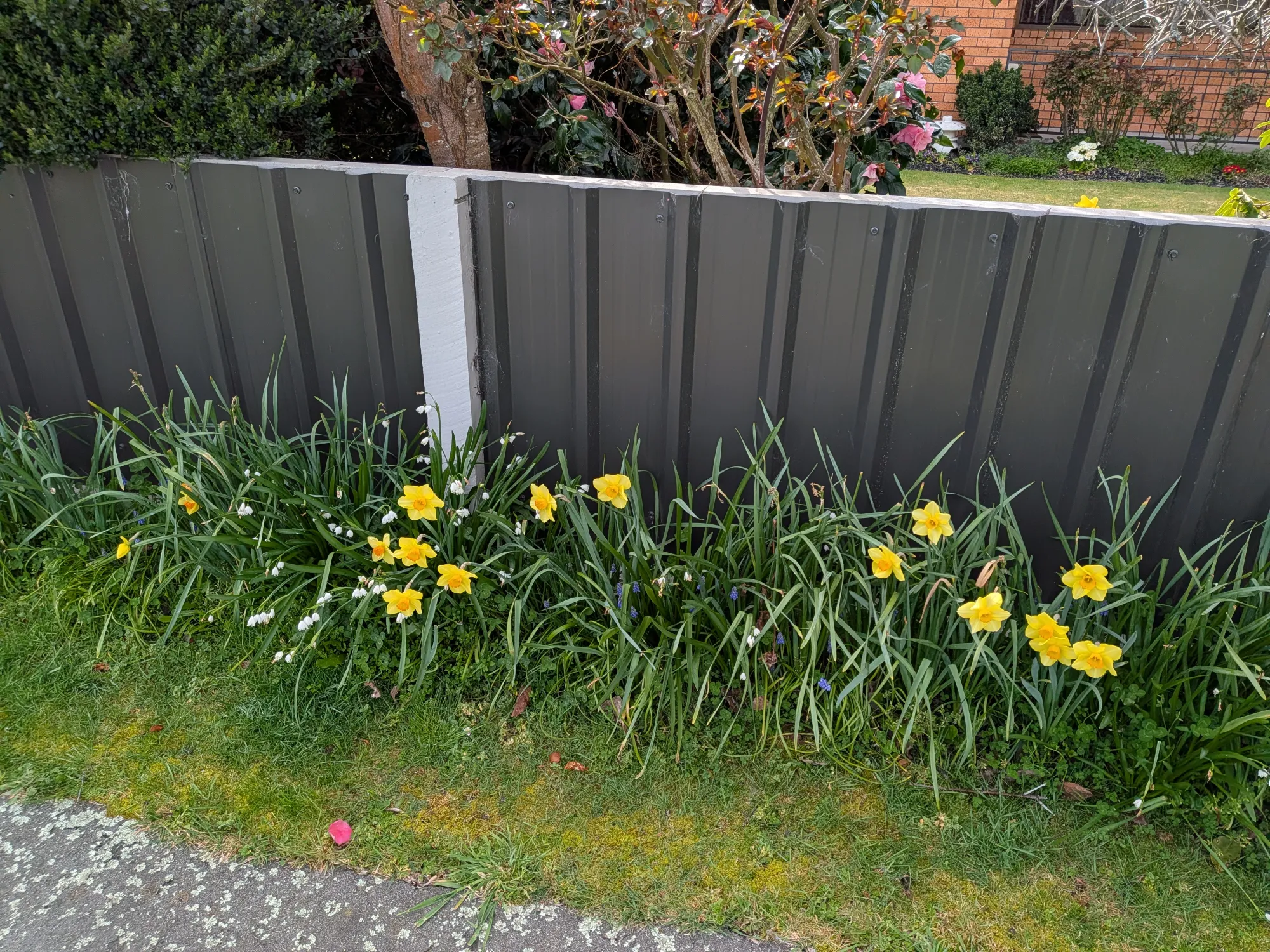
Spring has sprung in New Zealand bringing lots of changes. Flowers are blooming, gardens are getting planted, and we're starting to see some new lambs frolicking in the pastures around the neighborhood. And I have my biggest update yet (spoilers, the title is a hint). But before I get into our updates.....
Frequently Asked Questions
There have been quite a few new readers recently, and I've heard about a few technical difficulties with the notifications, so I wanted to put some frequently asked questions on the site. If you have any issues with subscribing or didn't get the notification for this post when you think you should have you can view the FAQs by hitting the FAQ tab in the top left if you're on the computer or the 3 lines on the top right if you're on your phone. Or to make it easy, by clicking here.
Jobs
Like I said in my previous post, one of the biggest stresses of our moves was the job hunt. Taylor's job, which he had been offered a few months before we moved, is as an IT Systems Administrator for a company in Timaru that sets up and automates industrial/agricultural machinery and processes. The work itself is a lot like his previous jobs, but going from a company of nearly 4,000 to only 135. Because of that, there's a much wider scope of what he has to do and not as many established processes to do it. But I think he's enjoying it so far. Now that he had his job, it was my turn.
Luckily we had planned to have some time with limited income, and honestly it was nice having time to settle into everything. My work in the U.S. had mostly been working in the environmental sector, and mostly for the government. I ideally wanted something similar when we moved here, but I knew that might be hard to get off the bat as a newly arrived foreigner. Instead, I was keeping my eye on any job that I could spin as at least somewhat environmental. While I really have loved the more small town vibes of Timaru and Temuka, one of the downsides to being away from one of the big cities is fewer jobs. Every time I saw a cool sounding job, it was usually in Christchurch. I have to admit, I was getting a bit discouraged.
One day, I saw a job posting with the Timaru District Council (our local district government) as a Compliance Officer. More specifically, the position would be dealing with compliance of rules relating to the Resource Management Act (RMA), New Zealand's primary legislation for managing environmental regulations and land use. So it was both public sector and environmental, which was everything I wanted. I nearly didn't apply though. I didn't think I had a chance of getting a government job, especially when the job description specifically mentioned familiarity with the RMA and local laws, which obviously I didn't have much of. Luckily, Taylor pushed me to apply, and a few weeks later I got a call for an interview. I was incredibly nervous, but they seemed fairly happy to hear about my experience working with industrial sites and U.S. regulations. Still, I didn't want to get my hopes up. After a surprisingly thorough medical check, an international background check, and what must have been some very nice things said by my references, I had the offer in hand! So next week, I will be the district's newest compliance officer. The imposter syndrome is definitely going strong right now, but I'm very excited to get started!
The Paws
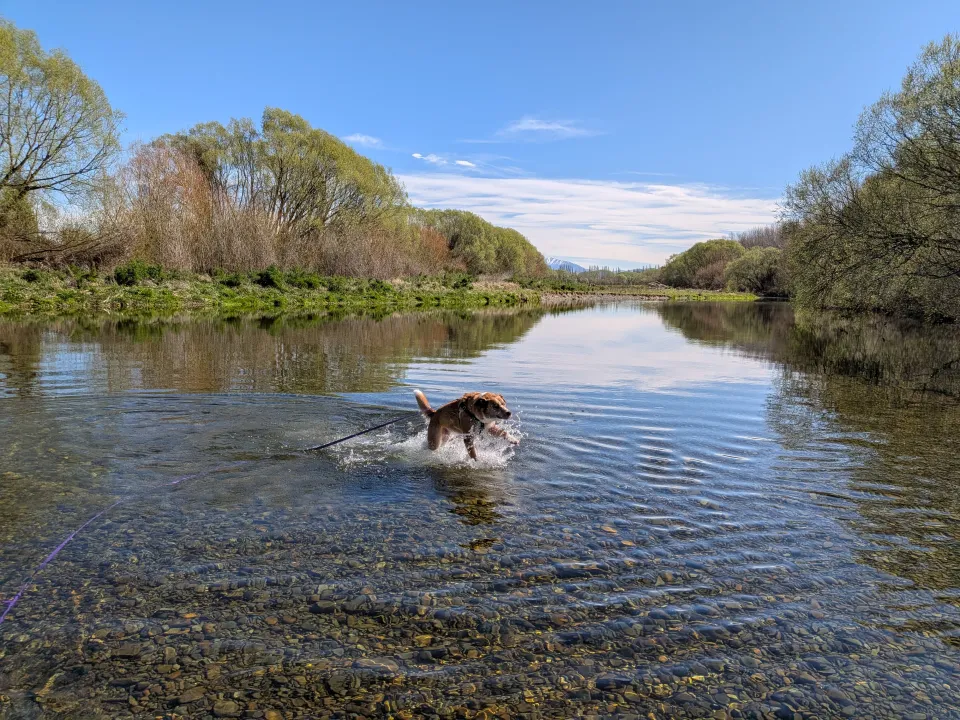
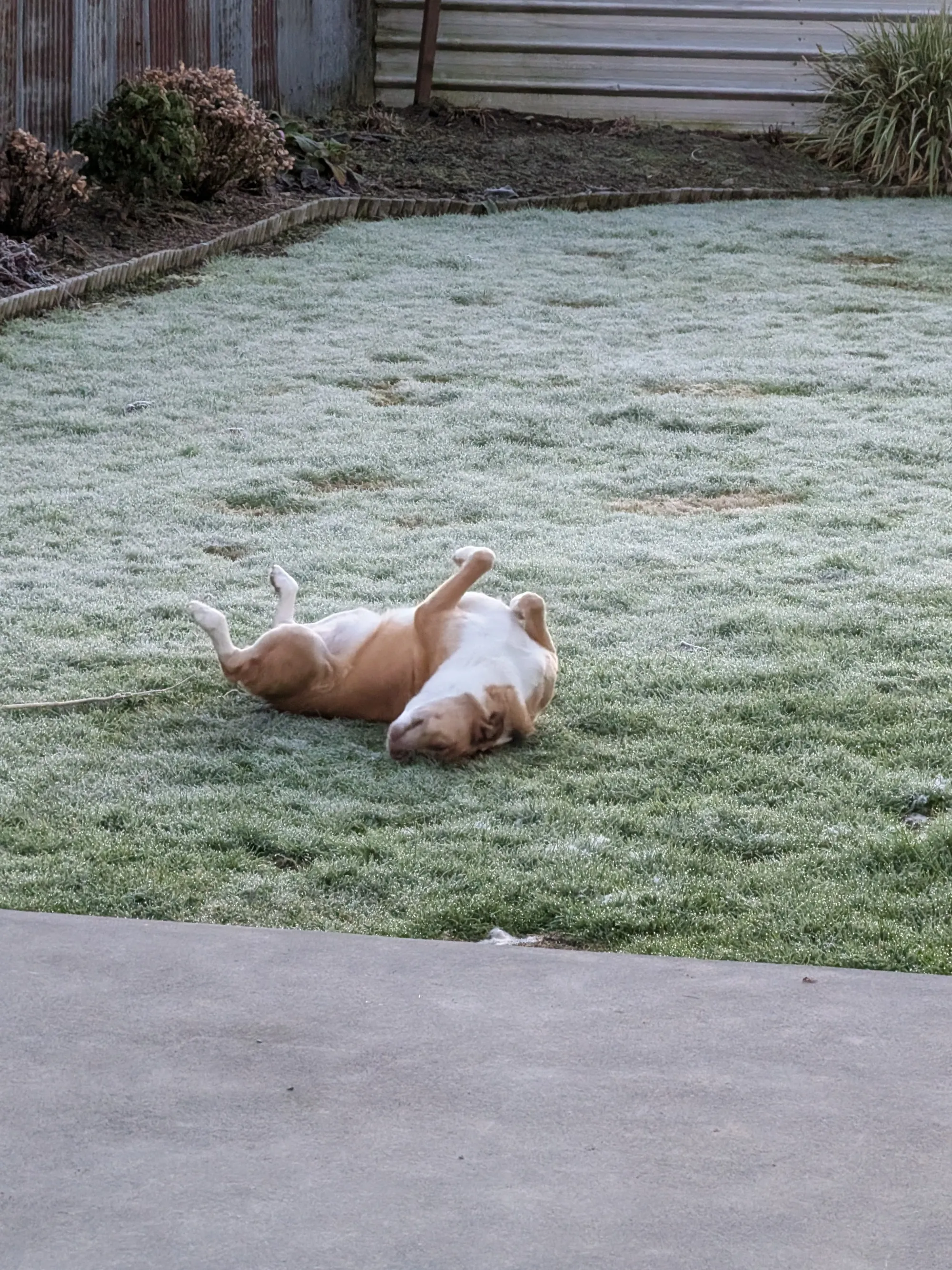
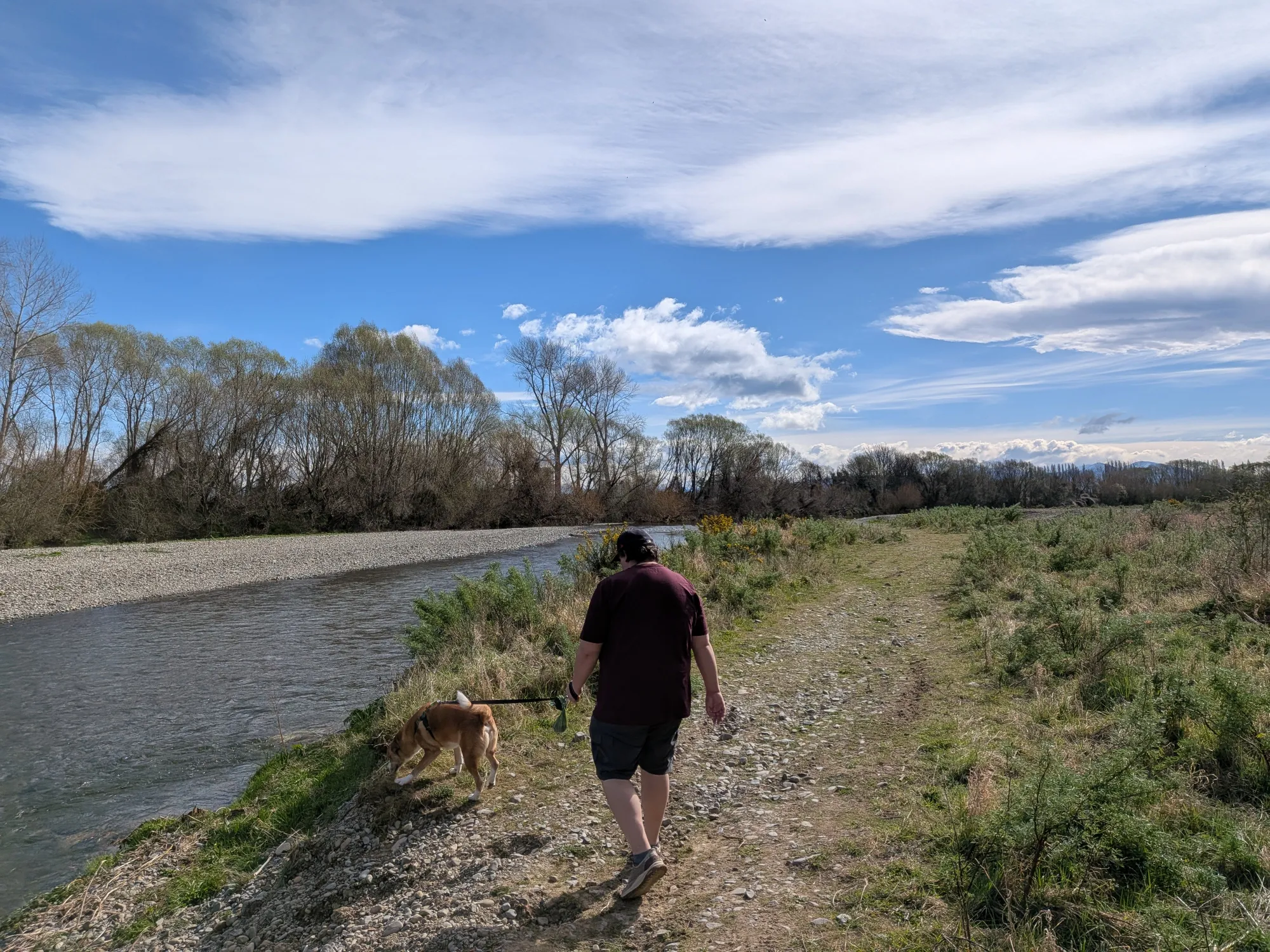
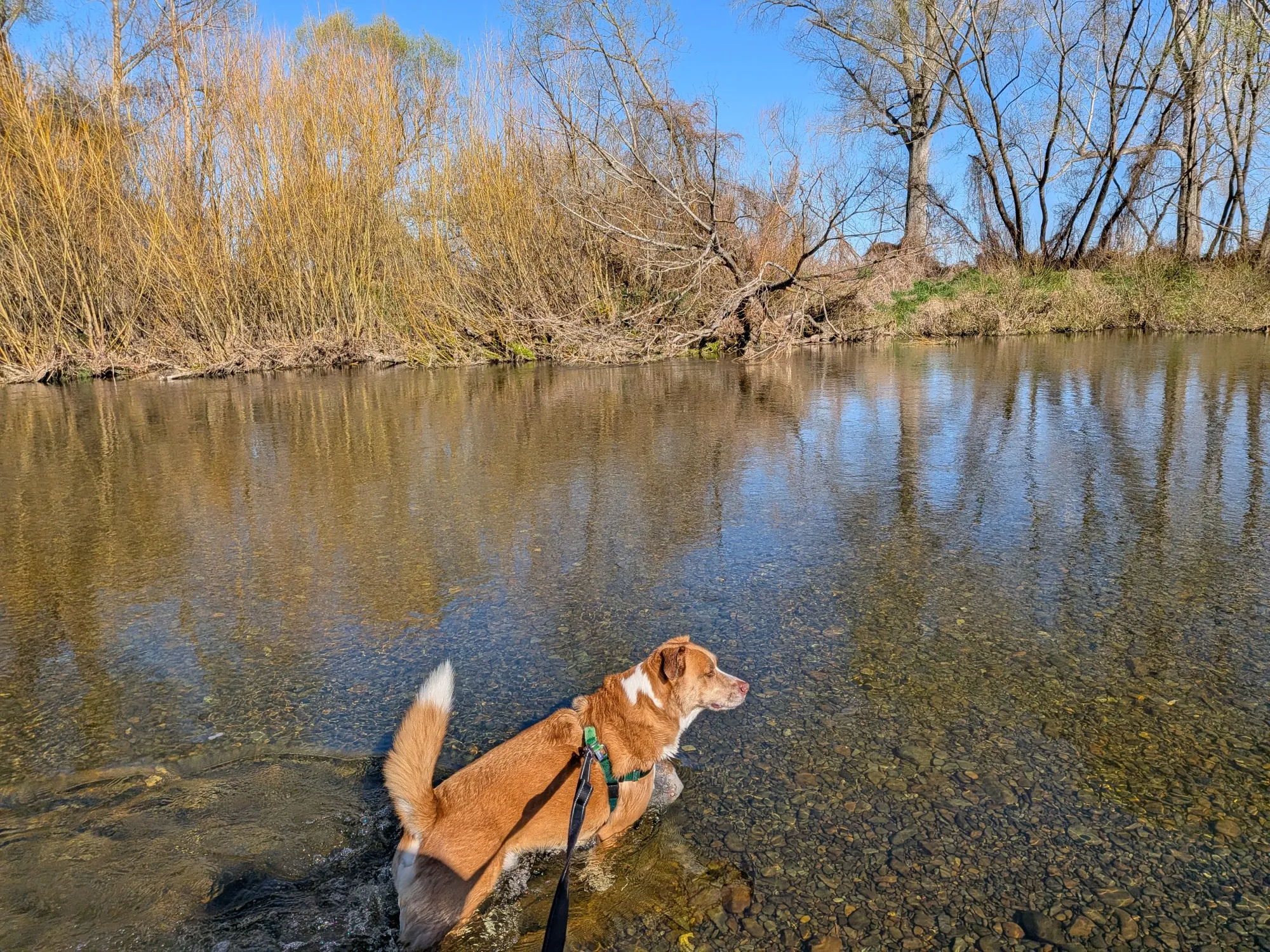
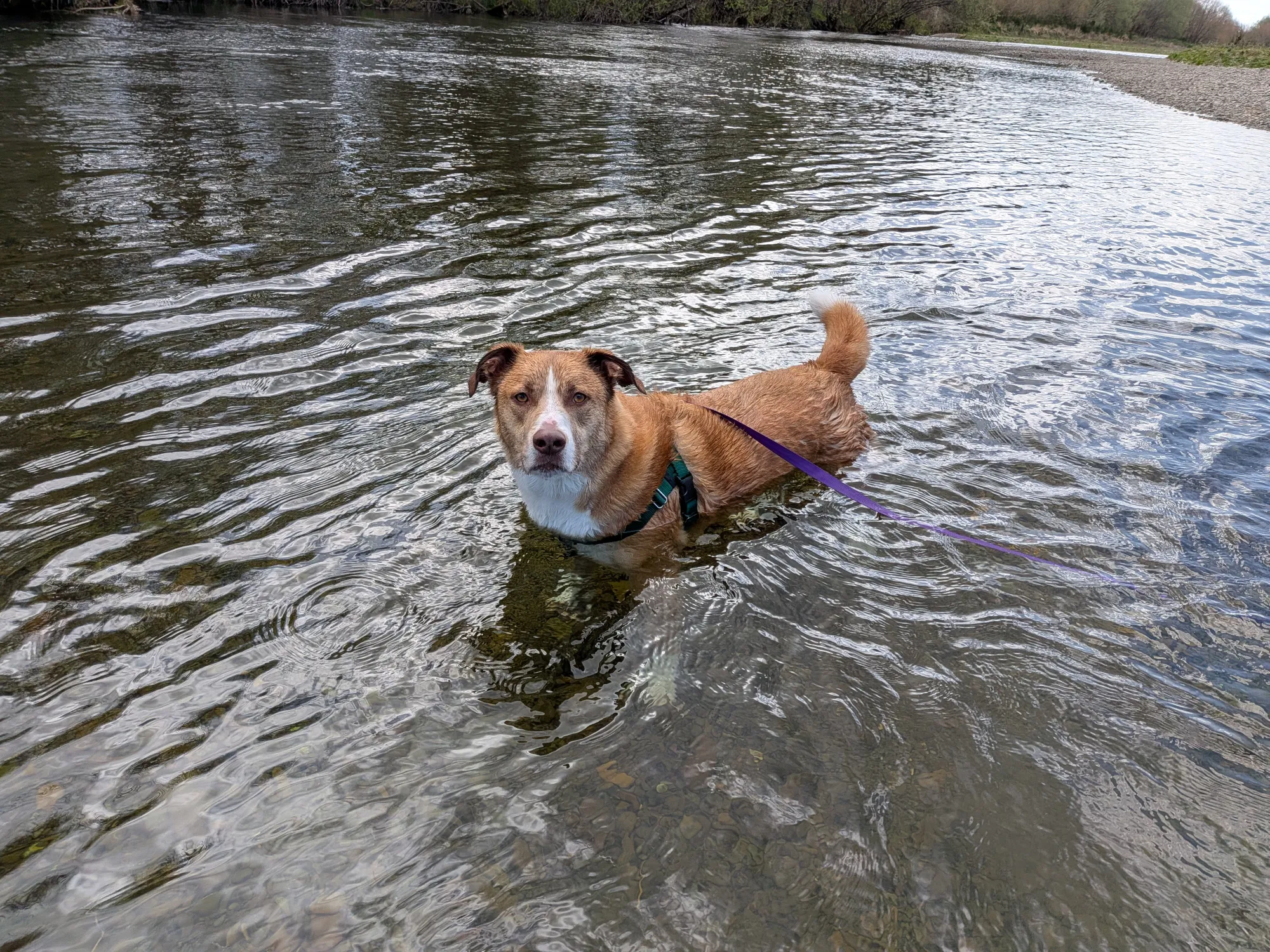
The paws are continuing to enjoy their new home, and I've been loving spending my last few weeks of freedom with them. Atticus loves waking up and checking the yard for the last frosts of the season. Once the sun's out and it's warmed up a bit, it's time to go out and continue our exploration of Temuka. We discovered an even more accessible trail almost directly across the street from us that leads straight to the river, so on nice days he loves going out for a quick swim.
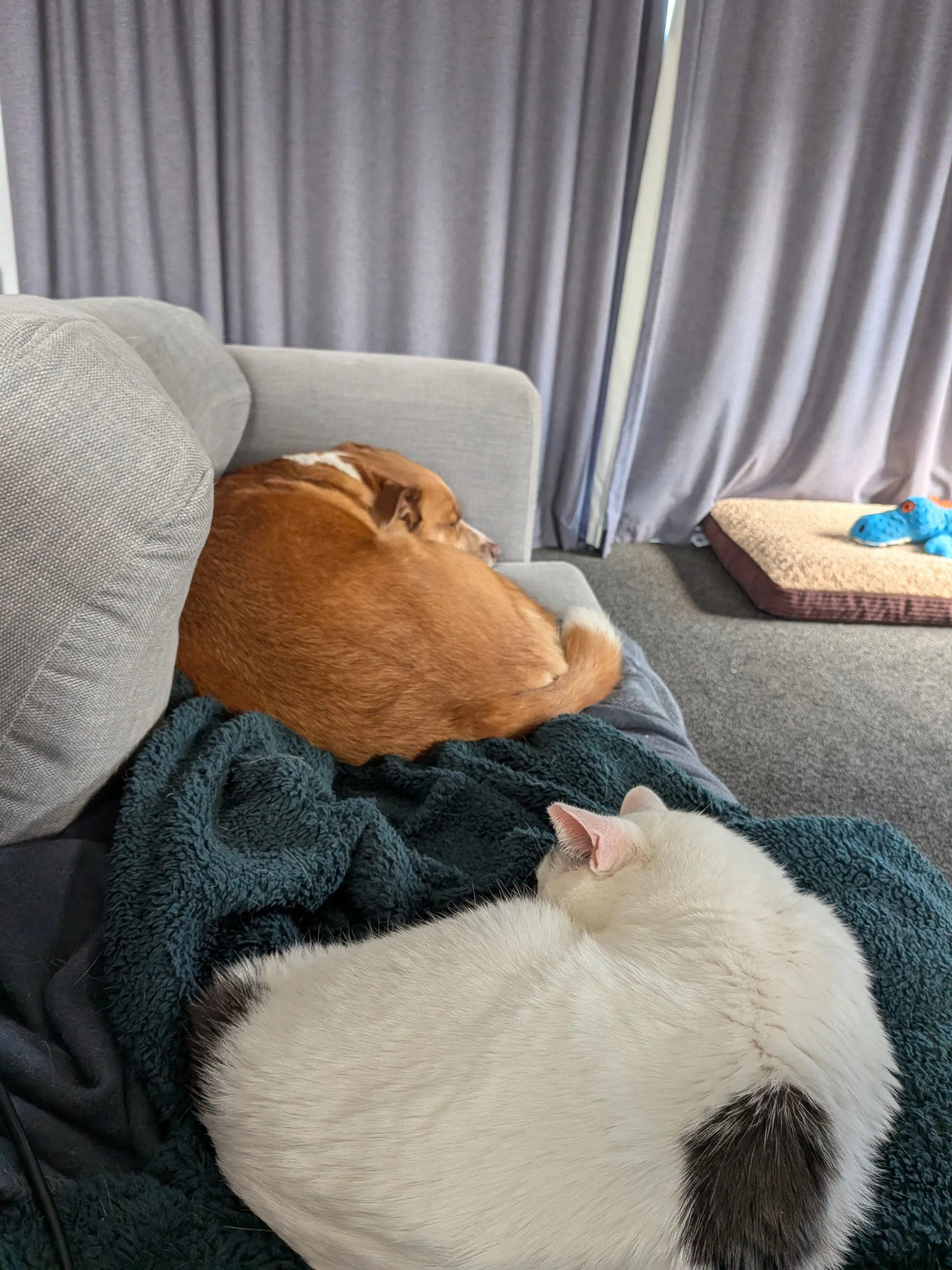
Pinky has fully integrated into the relaxing Kiwi lifestyle, and is always in search of new places for a good nap.
New Zealand Bird of the Year
As my former coworkers could attest, there are few things I can spend as much time talking about as New Zealand birds. New Zealand has an incredible variety of cool bird species mainly due to the history of the continent. From the time that it split from the larger supercontinent, New Zealand has existed in isolation from the rest of the world. Unlike nearly any other landmass, New Zealand has almost no native land mammals (just 2 bat species!). Instead, over millions of years, every ecological niche was filled by birds. New Zealand was home to the tallest ever known bird (the South Island Giant Moa, which could reach 3.6m/12 ft) and largest eagle (the Haast Eagle which weighed up to 18kg/40lb). Both of those are now extinct, but New Zealand still has over 200 native bird species, 94 of which are endemic (found only in New Zealand). These are no less interesting and unique than their extinct cousins. Unfortunately, it's estimated that 80% of native birds here are threatened or at risk. One of the biggest factors threatening many of these species is the introduction of mammalian predators. Since humans arrived in New Zealand, we have brought cats and dogs, rats, stoats, Australian possum, and many others, all of which quickly got a taste for the many big, unafraid, often flightless birds they were met with. Lots of work has been done by the New Zealand government and conservation groups to save our remaining native birds.
In 2005, Forest and Bird, one of New Zealand's major conservation groups, released a poll asking for peoples' favorite bird. This proved so popular, that they ran the contest again the next year, and the next. Today, the contest is still running strong and has become more and more elaborate. This year, there are even bird political parties (you can see their party platforms here) and bird scandals (the most recent being a party schism). The contest also got some great international attention a few years ago, when John Oliver ran a campaign for the pūteketeke, or Australasian Crested Grebe, that the New Zealand news referred to as "alarmingly aggressive." It must have been worthwhile, because the pūteketeke did win that year, and was even crowned bird of the century!
The Vote
For this year's bird of the year, people get up to 5 votes for their favorite birds. A vote for each bird also is a vote for their party. Voting runs over about 2 weeks (until the 20th of September), and anyone (even you!) can vote here. Before I get to my selections for this year, I have a couple of honorable mentions.
Kākāpō
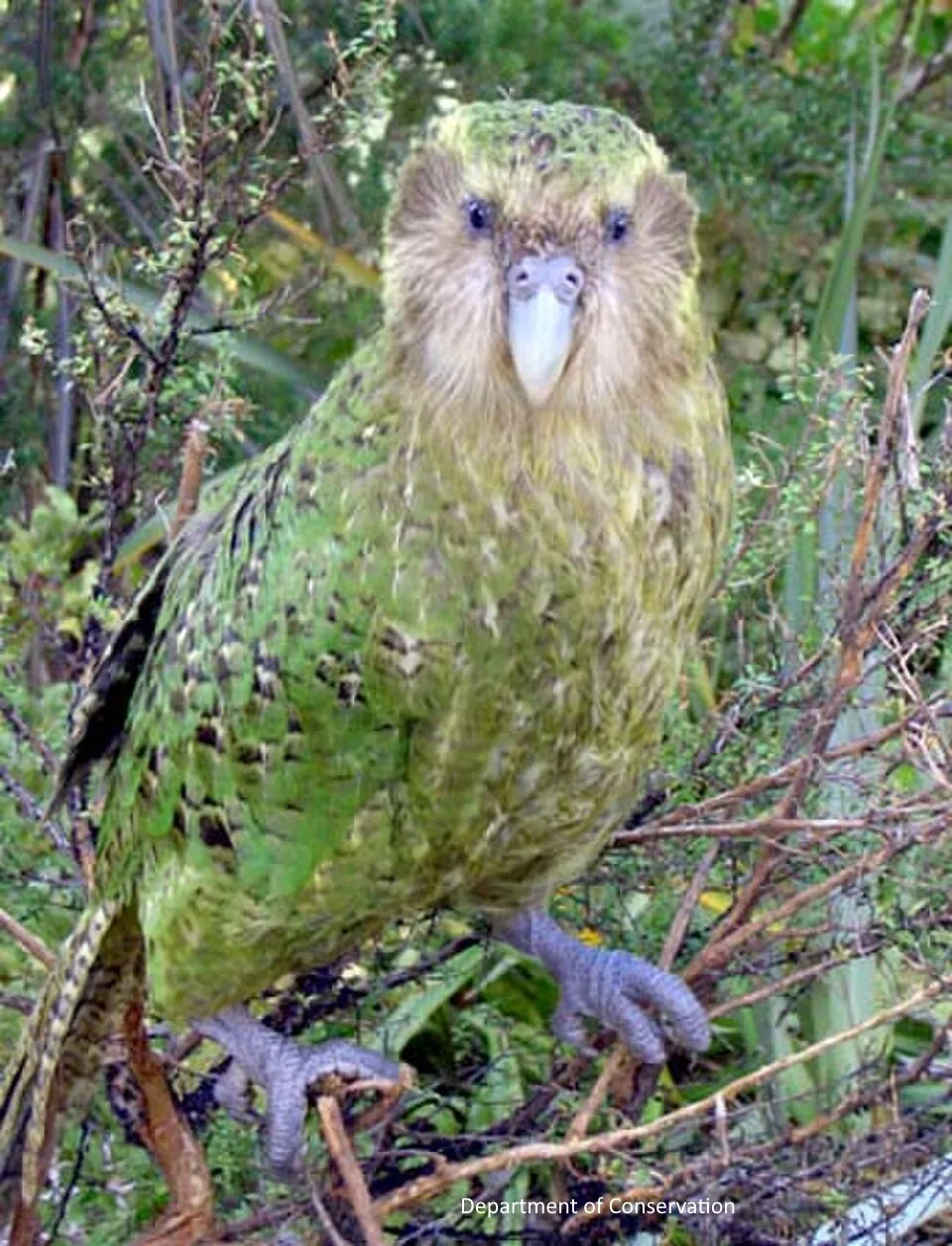
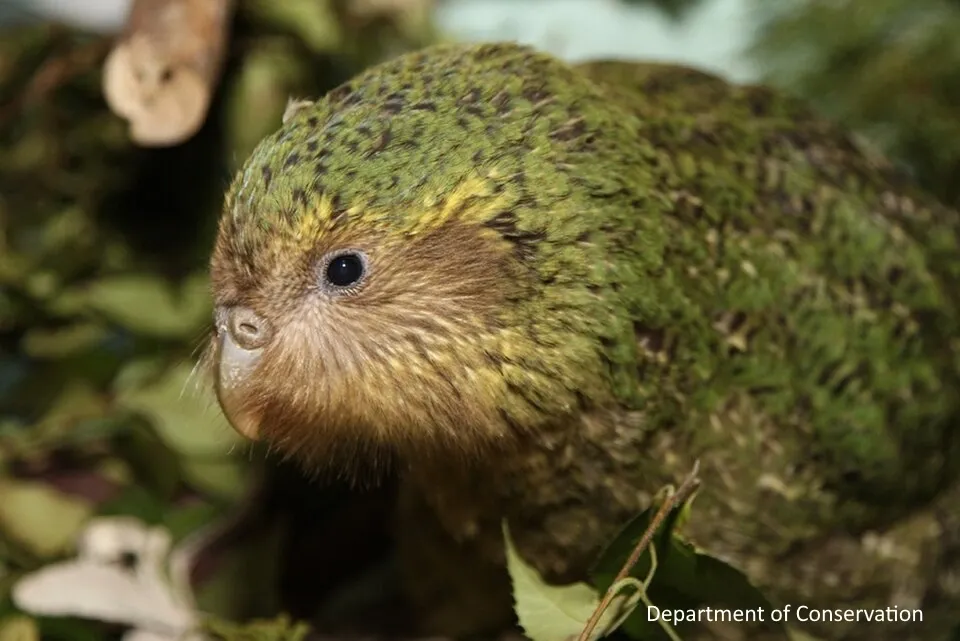
Kākāpō are probably my favorite New Zealand bird. Kākāpō, or owl parrots, are the world's only flightless parrot and the world's heaviest parrot. Based on the fossil record, kākāpō used to be spread across both the North and South Island and are thought to have been the 3rd most common bird in New Zealand. However, by 1995 the population was down to only 51 known individuals.
Like many of New Zealand's birds, one of the main threats to kākāpō are the introduced mammalian predators (this will be a common theme). They are also slow to breed, usually breeding only in years there is a mass fruiting of the Rimu tree which has also experienced huge losses due to logging and climate changes. But there is good news! An immense amount of work has been put into protecting kākāpō and increasing their population. This past summer, a record 90 chicks survived bringing the total population to 325. Most of these reside on four smaller, tightly controlled islands that have been cleared of introduced predators.
The only reason I'm not giving one of my votes to the kākāpō this year is that they've already won twice, in 2008 and 2020. Despite that, as of writing this, they are at the top of the leaderboard, so they clearly don't need any election help!
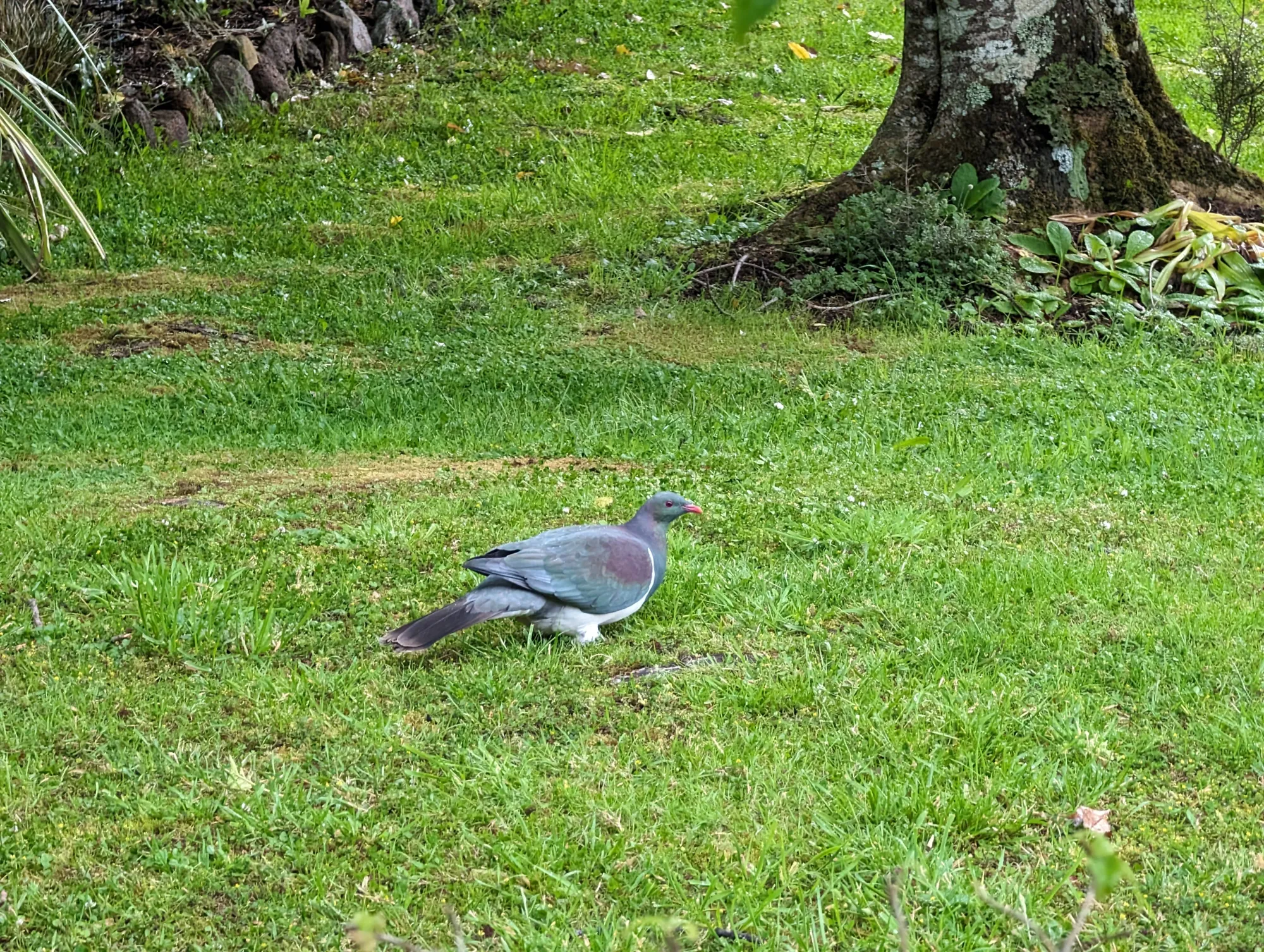
Kererū (New Zealand Pigeon or Wood Pigeon)
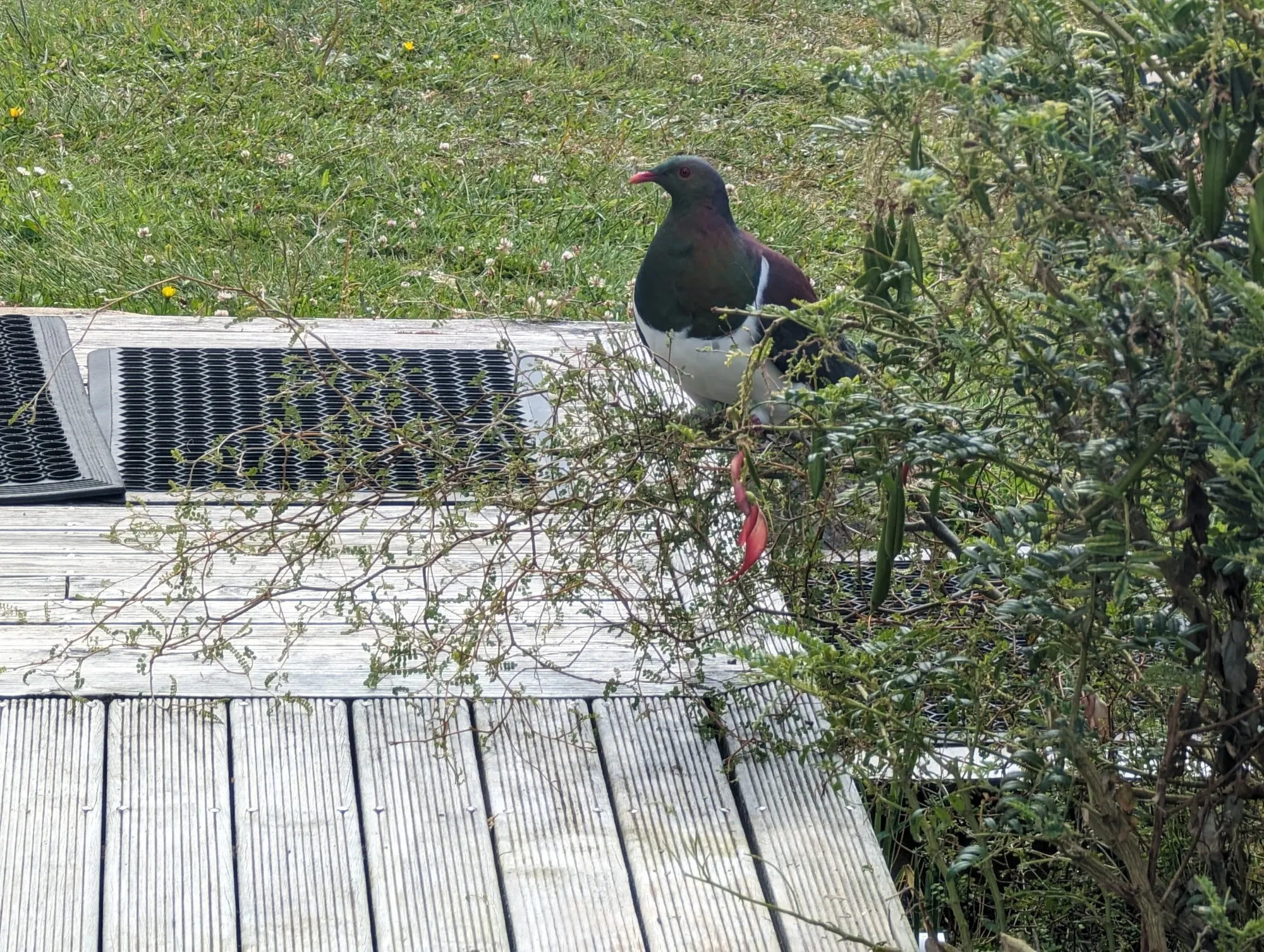
I will admit, part of my inclusion of Kereru as an honorable mention is for the alliteration in the title of this post. But they're also such a fun bird! While there's no requirement that the bird of the year be an endangered or threatened species, I feel like the best use is bringing attention to the plights of struggling species. While their population has decreased with the introduction of mammalian predators and habitat loss, conservation measures have led to an increasing and relatively stable population.
My favorite kereru fun fact is that they primarily eat fruit and enjoy having a nice rest in the sun after their meal; this can lead to the fruit fermenting in their crop and producing alcohol. This can lead to some hilarious intoxicated antics, as can be seen by clicking here.
Unfortunately, you only get 5 votes for NZ Bird of the year. So without any further ado, here are my 5 picks.
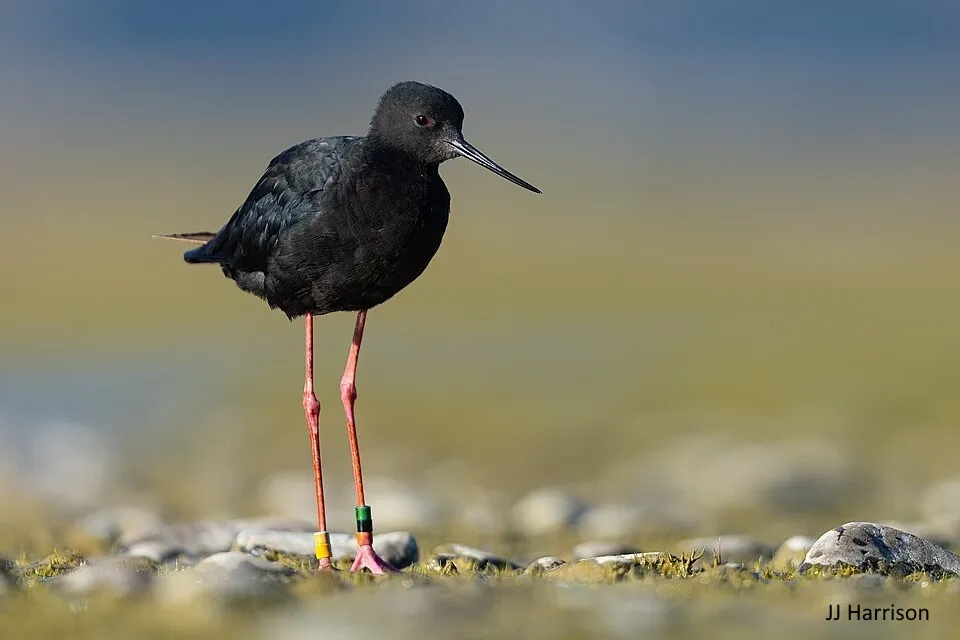
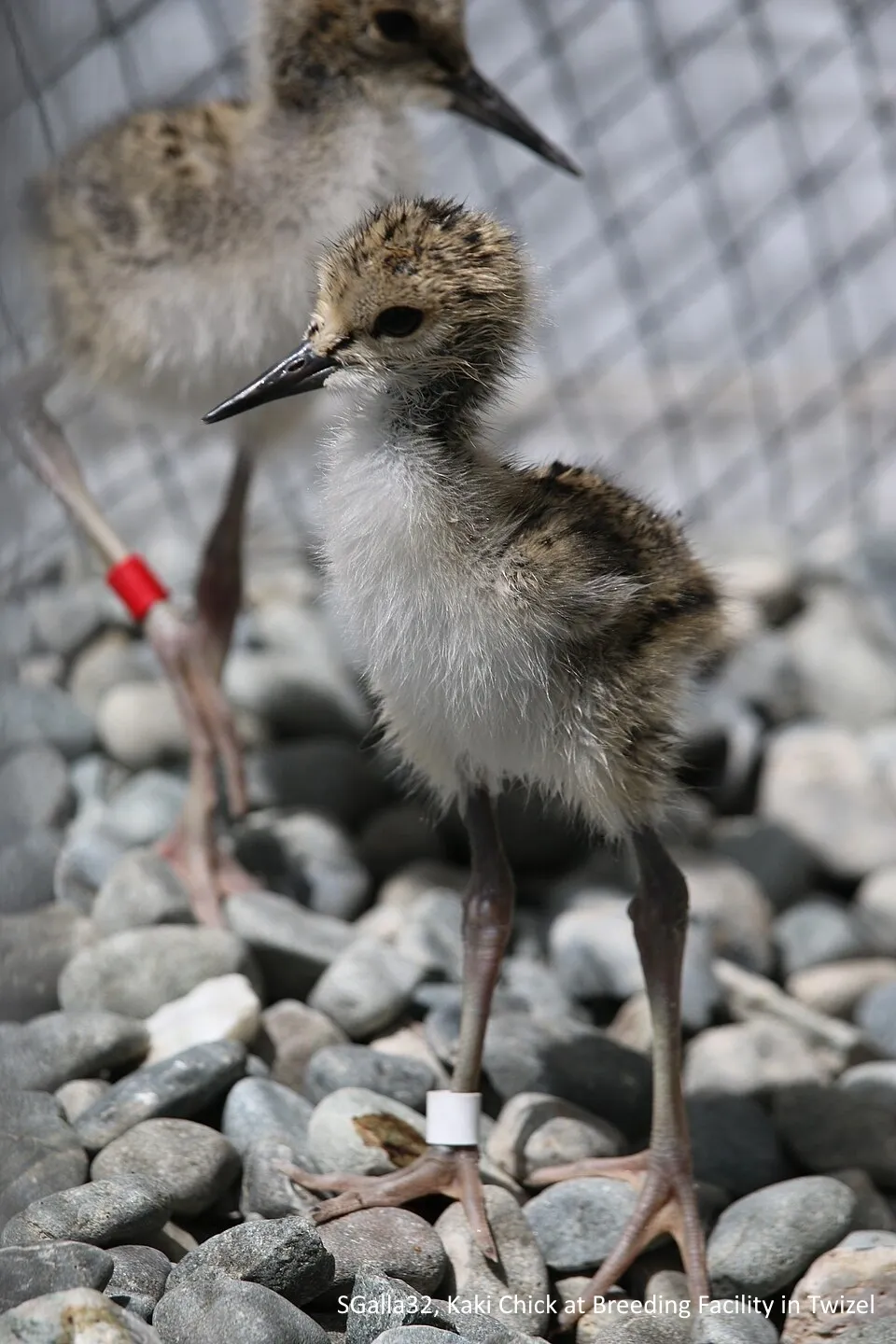
Kakī (Black stilt)
My eye was originally caught by the Kakī because of their name's similarity to my own nickname. But since then, I've found what a cool bird they are. Kakī are a wading bird that typically breed along the braided rivers of the South Island. Unlike many river birds in the area that migrate to the north to escape the cold and windy winters of their home in the Mackenzie Basin (only a few hours inland from us), Kakī stay year-round. They can survive subzero temperatures, in part because of how well their black feathers absorb heat.
The Kakī is one of the world's rarest species of wading birds, with their population dropping as low as 23 adult birds in 1981. After decades of protections, that is now up to about 170. This is another bird whose main threat is mammalian predators, mainly weasels, stoats, hedgehogs, and feral cats. Since intensive management began in the 1980s, several captive breeding populations have been developed with eggs collected from wild and captive birds at facilities in our region. Shortly after we arrived in New Zealand, we had the chance to go to a release of captive bred chicks into a protected area of the Mackenzie Basin. It's believed these annual releases of captive-bred birds have prevented the Kakī from extinction.
Takahē
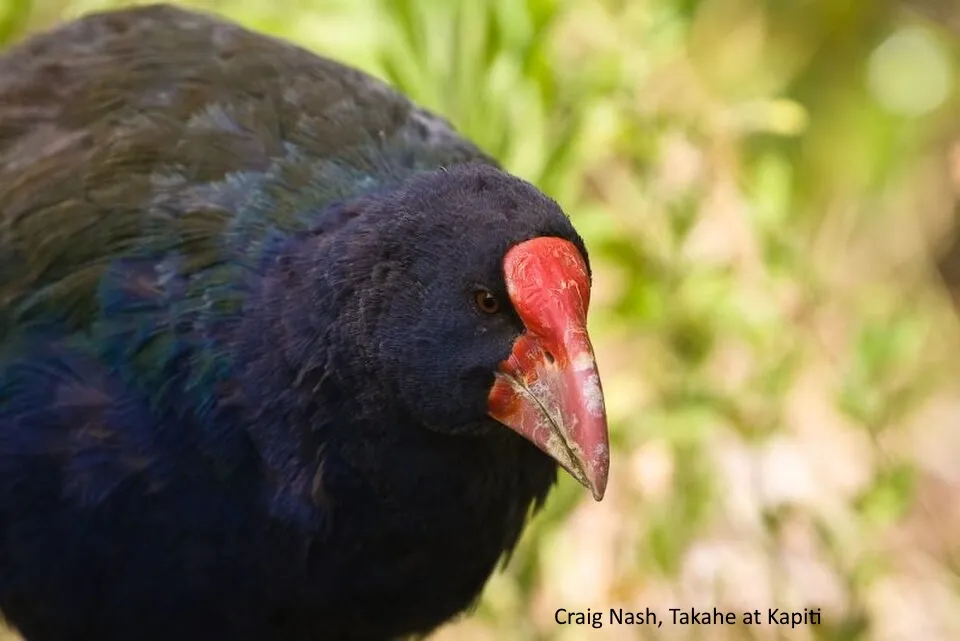
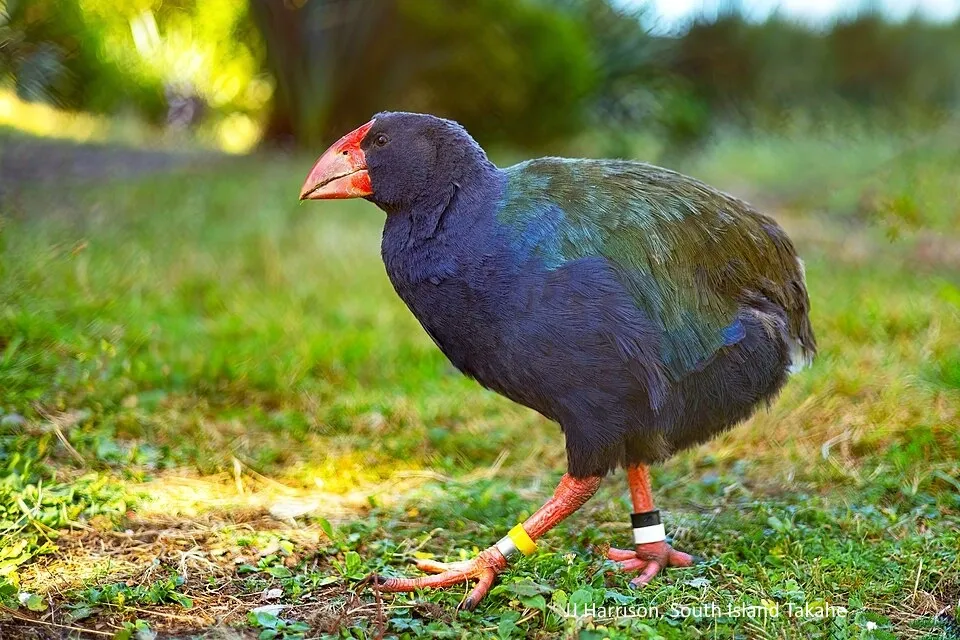
If I could only vote for one bird of the year, it would probably be the Takahē. First off, they look like fat, blue chickens mixed with dinosaurs, and what could be better than that. They are also survivors. Like the others I've mentioned, they are threatened by habitat loss and introduced mammals (mainly predation by possums and stoats and competition with introduced deer). Takahē were declared extinct twice, once in 1850 and again in 1898. Fifty years later, one scientist was convinced there may be some survivors. After years of searching, he found a small population living in the rugged Fjordlands in the southwest corner of the South Island. Populations were first established on small predator free islands, and are now starting to be reintroduced to some of their native ranges in the south island.
And with all of that, they have somehow never won Bird of the Year! As of writing this, they are sitting at fifth place so there's still hope! (Also, Takahē have an incredible campaign including some great song covers which you can check out here.)
Hoiho (Yellow-eyed Penguin)
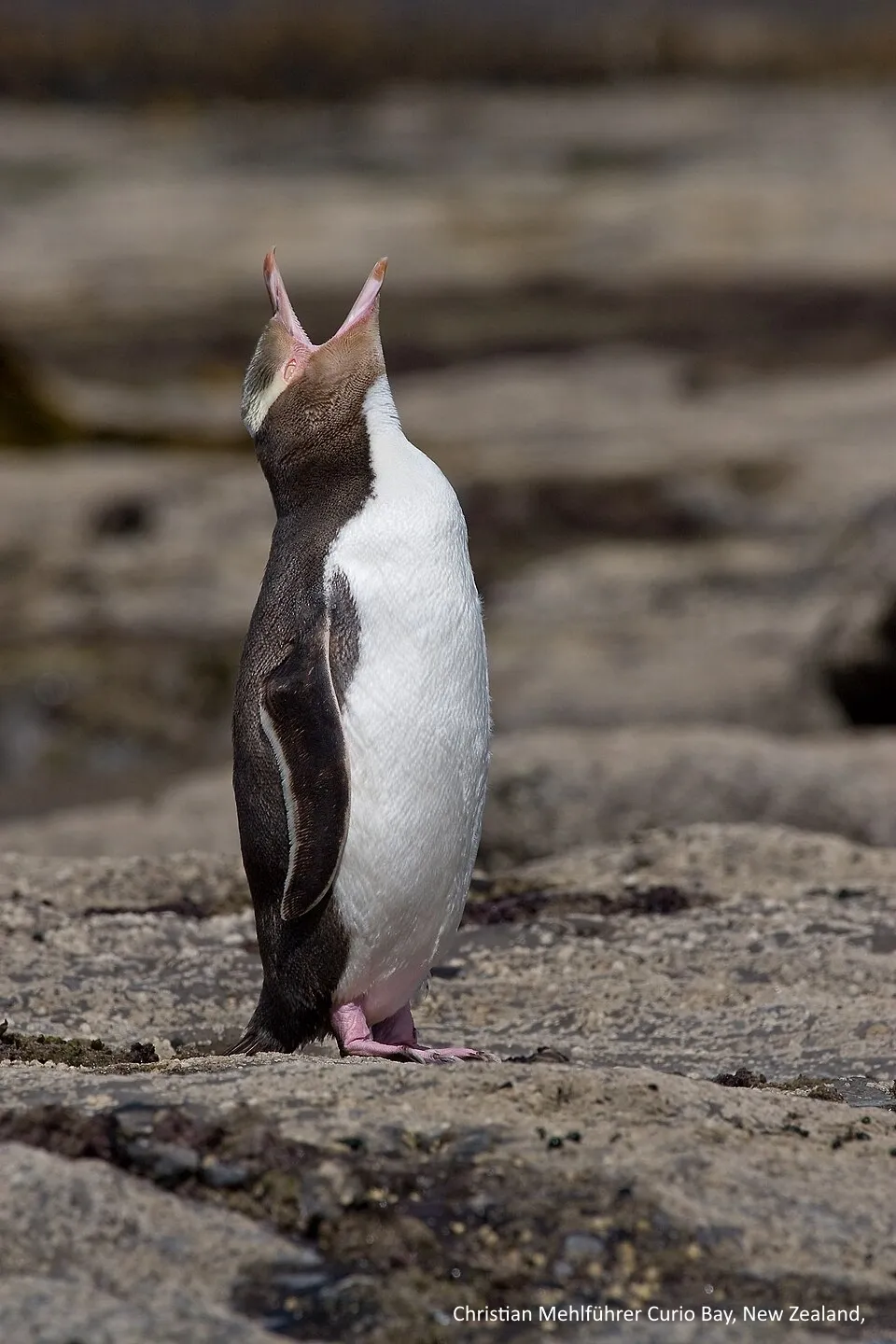
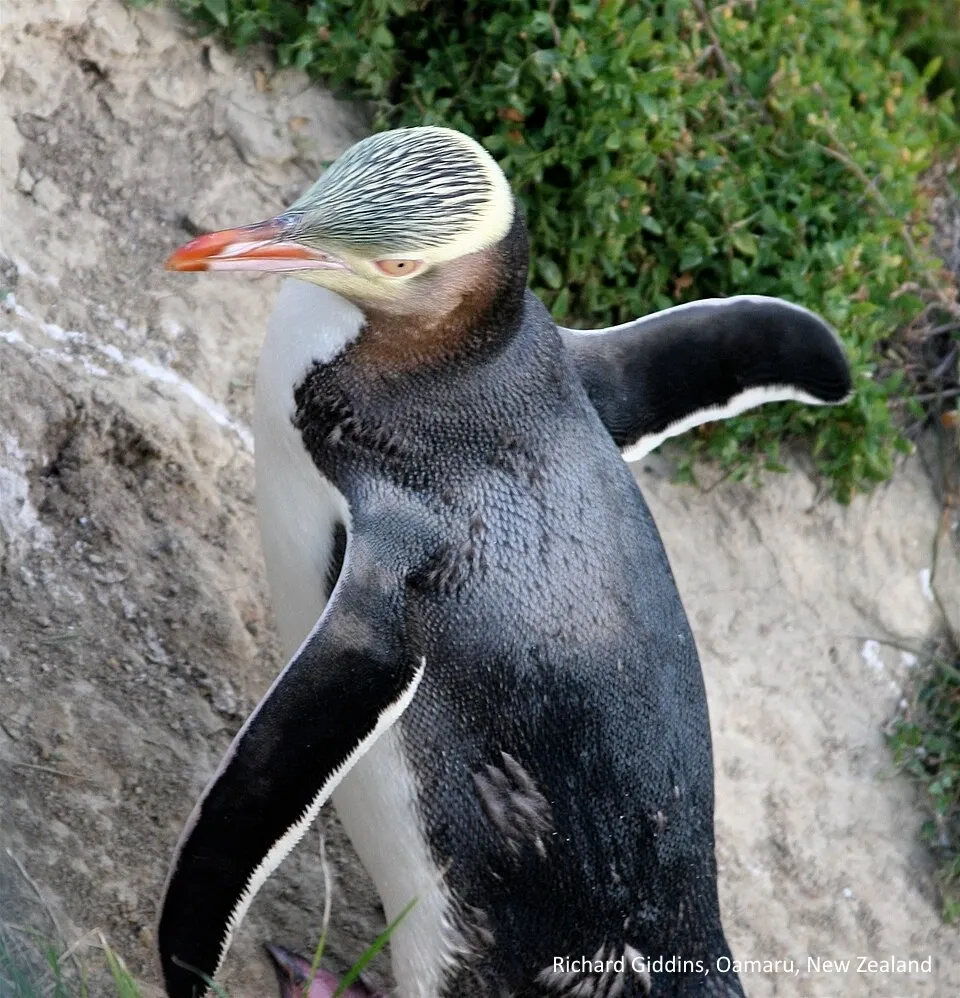
I nearly didn't vote for the Hoiho this year. Not because they're not an amazing bird, but because they have also already won twice, in 2024 and 2019. And with good reason. Hoiho are one of the rarest and most ancient penguin species in the world. They also represent New Zealand's native wildlife by being featured on the $5 bill here.

The population of hoiho has been declining for decades, thought to be primarily due to predation from introduced mammals and food shortages from climate change and human activity. Recently they've been hit especially hard by a novel Gyrovirus that killed a quarter of mainland hoiho chicks in 2023. Experts warn that without intervention, hoiho might be extinct in New Zealand within as little as 5 years. However, work is being done. Conservation groups continue to expand predator control areas and monitor nests, and are currently working hard to develop a vaccine for the diseases they currently face.
Kea
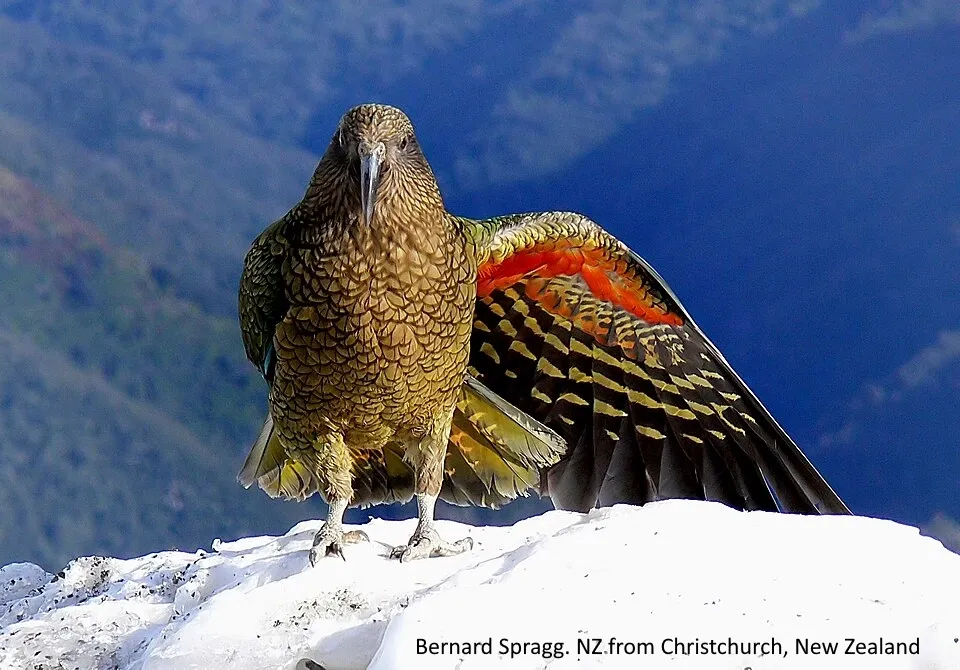
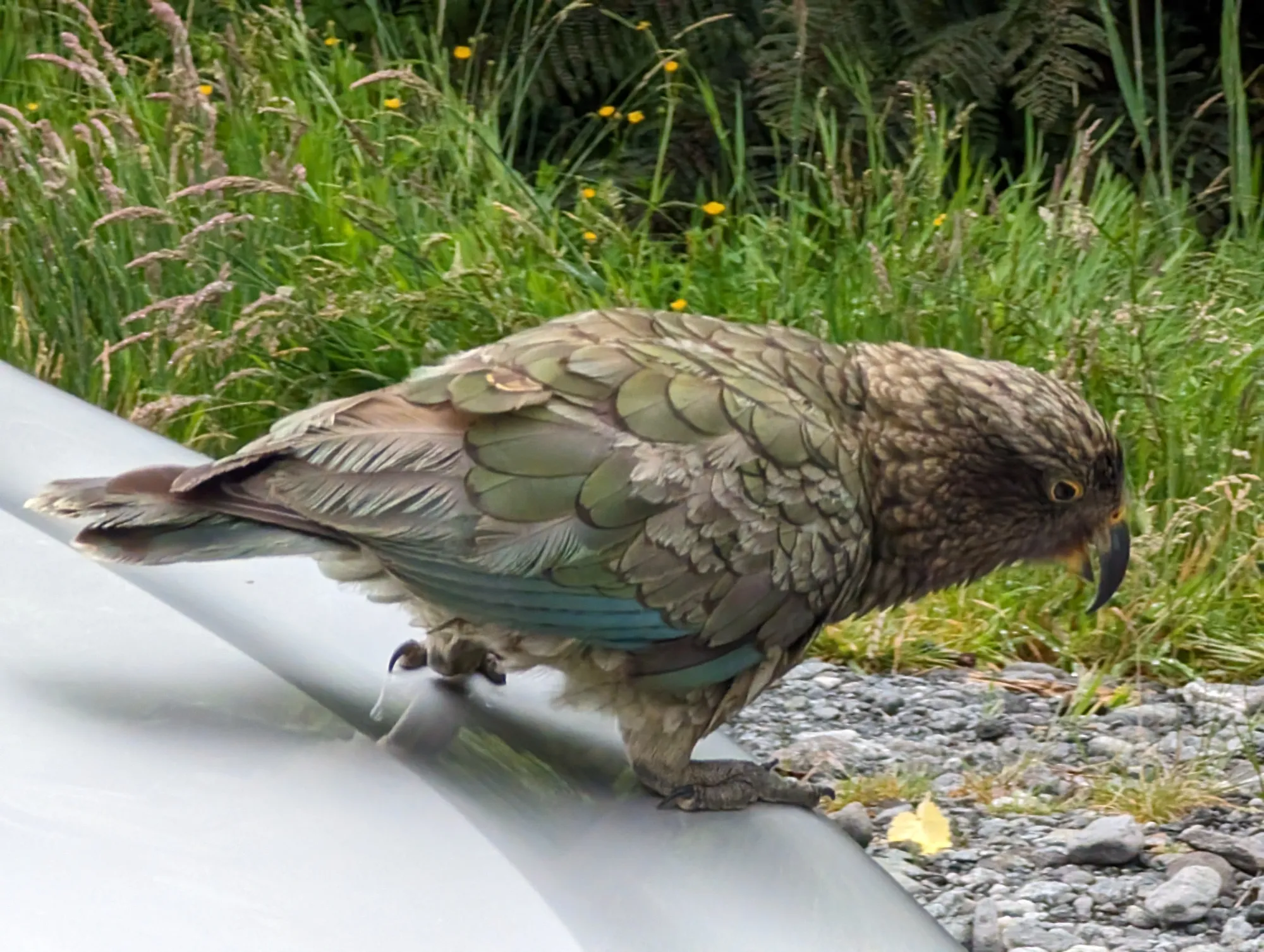
Kea are another of my favorites. They are endemic to New Zealand, the world's only alpine parrot, and incredibly intelligent and cheeky.
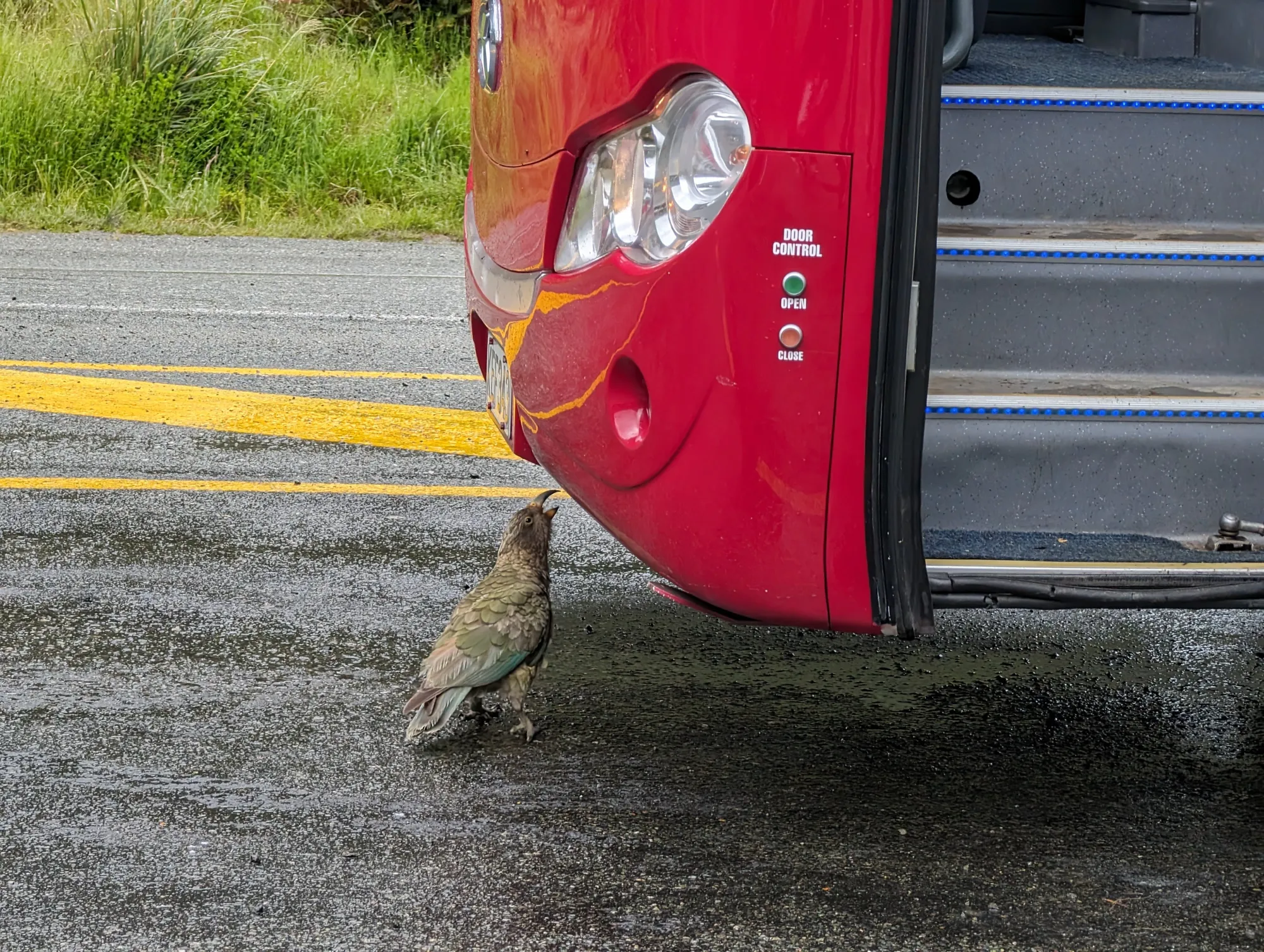
Kea are considered threatened for many of the same reasons as the others (predation and habitat loss). However, they also have dealt with a few unique threats from humans. Kea are very curious, and like toddlers, enjoy exploring things by putting them in their mouth. Researchers have discovered that Kea are more likely than many birds to be affected by lead poisoning mainly from eating bits of roofing and construction materials. Perhaps even more impactful was Kea's relationship with sheep. When sheep were brought to the high country in the 1860s, shepherds began noticing strange wounds on their necks. While investigating the culprit, they found that at least in some instances Kea were responsible, tearing with their beaks into the sheep's fat reserve in their backs. In response, the government placed a bounty of Kea from 1867 to 1970, during which 150,000 birds were killed. Though sheep killing did occur, it's thought that the numbers and risk were greatly exaggerated. The population today is estimated to be between 3,000 and 7,000.
We got to meet some Kea (featured below) during a bus tour to Milford Sound last time we visited. One seemed ready to fight the bus while another showed off another of their trademark interests, tearing off the rubber parts of cars (in some areas where Kea are found you can even get insurance to cover Kea damage to your house and vehicles).
Kororā/Little Blue Penguin or Fairy Penguin
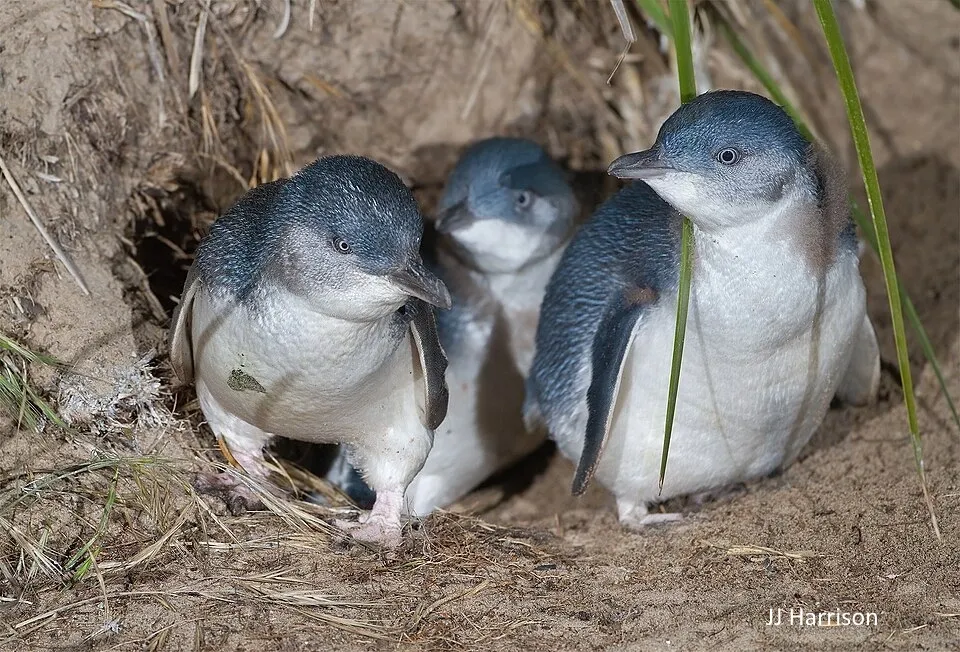
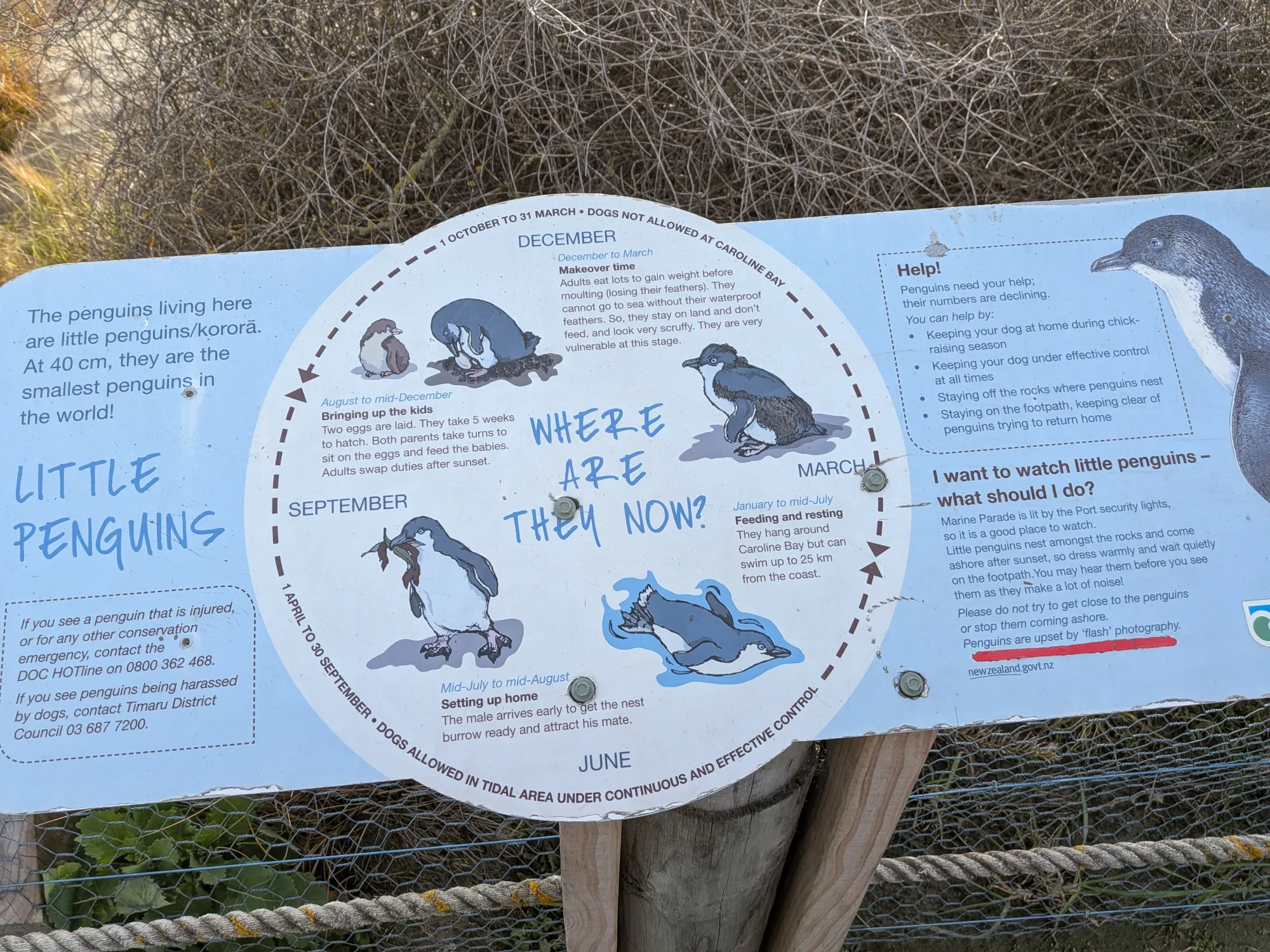
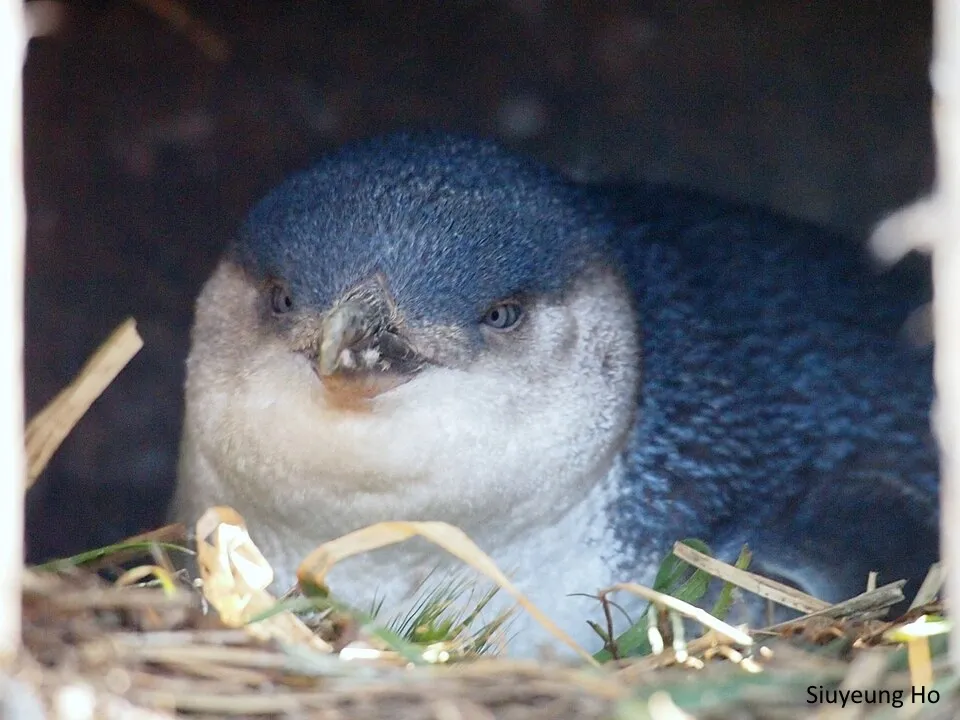
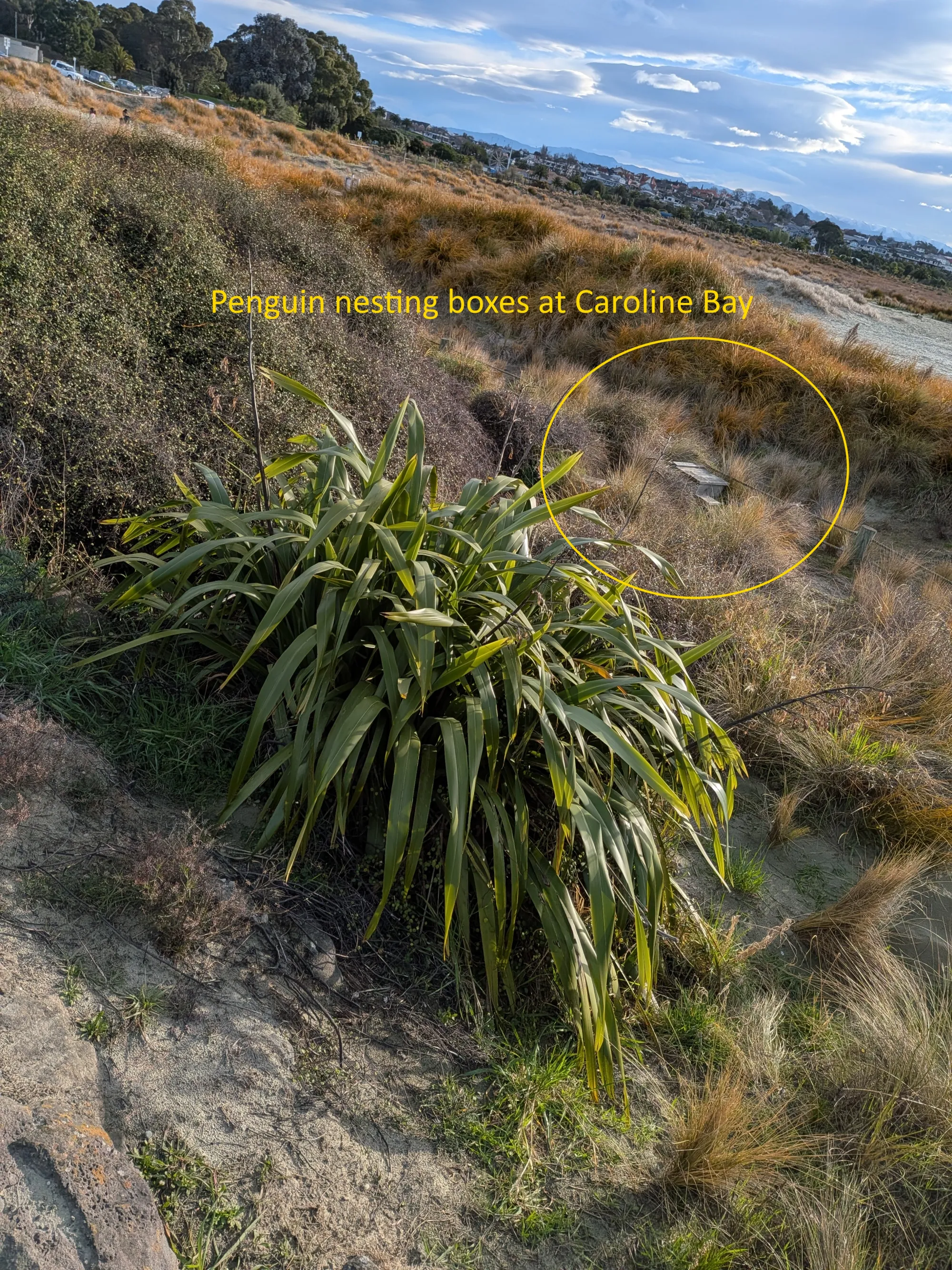
This was another of my spots that I went back and forth on. Again, not because it's not an amazing native species (and the world's smallest penguin), but because I did feel a little bad giving two of my votes to penguins. But I realized that was silly for multiple reasons: 1. New Zealand has the highest penguin diversity of any country, with 13 of the world's 18 penguin species either living in or visiting here and 2. Penguins are awesome, why would I withhold their votes! Perhaps most importantly, unlike a lot of the birds in the contest, they are local! Little blue penguins come to shore to nest and raise their chicks in colonies along the coast. You can visit the larger and more famous colony in Oamaru a few hours south of us, but Timaru has its own colony right in town as well! During the summer, hundreds of visitors will come to watch the penguins waddle up their beach to their nest boxes at sunset each day. There's even a fun little webcam you can watch if you ever want to do some penguin spotting.
Little blues are not as critically endangered as some of the others on this list, but they are generally declining. Like the others, they are at risk from predation by introduced predators as well as habitat loss from development in their nesting areas.
And that concludes my votes for this year's New Zealand Bird of the Year! As always seems to happen, I've written way more than was necessary, so thank you for letting me babble about one of my favorite topics!
If you'd like to follow along our journey, you can hit the subscribe button at the top right to sign up to get notified when I manage to get a new post up. Thanks for reading!
Comments ()